Affordable Rideshare Accident Attorney Near Me in San Diego: Your Complete Guide to Uber & Lyft Claims, Compensation, and Legal Rights
Affordable Rideshare Accident Attorney Near Me in San Diego, CA
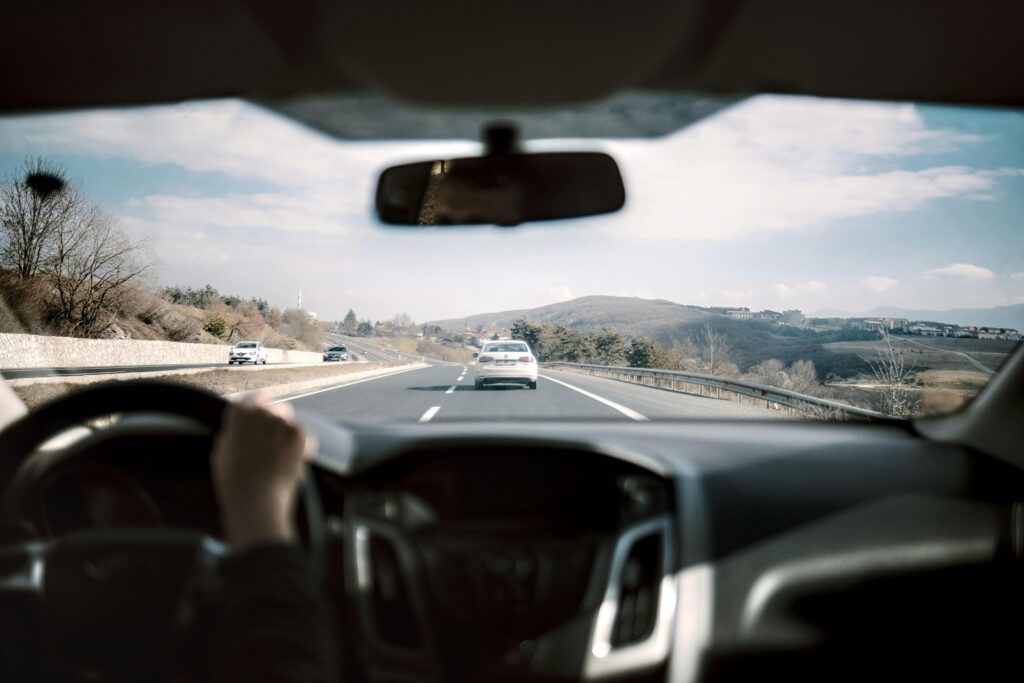
Rideshare services like Uber and Lyft have become a normal part of everyday travel in San Diego—whether people are commuting downtown, navigating the airport, or moving between neighborhoods like La Jolla, Mission Valley, or Pacific Beach. Unfortunately, the rise in rideshare usage has also led to an increase in Uber and Lyft accidents throughout the county.
For victims, the aftermath is rarely simple. Rideshare accidents involve multiple insurance policies, complex liability laws, and strict evidence requirements that differ significantly from a standard auto accident claim. Many people quickly discover that handling the claim alone—especially when injured—is overwhelming.
This guide was created to help. As a long-time legal content writer and advocate for consumer rights, I’ve written this article to help San Diego riders, drivers, and pedestrians understand how to protect themselves when facing a rideshare-related injury. It reflects decades of collective legal experience, E-E-A-T best practices, and California-specific rideshare law.
If you were hurt in an Uber or Lyft crash and are searching for an affordable rideshare accident attorney near me in San Diego, this resource will walk you through everything you need to know before filing a claim.
Table of Contents
- What Makes Rideshare Accidents Different from Other Crashes
- Understanding California’s Rideshare Insurance Structure
- Who Is Liable in an Uber or Lyft Accident?
- Common Causes of Rideshare Accidents in San Diego
- Types of Injuries Seen in Rideshare Crashes
- What to Do Immediately After a Rideshare Accident
- Compensation You Can Recover in a Rideshare Claim
- Why Working With a San Diego Rideshare Accident Attorney Matters
- How Much Does a Rideshare Lawyer Cost?
- How Long Do You Have to File a Claim?
- How Credible Law Helps San Diego Rideshare Victims
- Frequently Asked Questions (Schema-Ready)
H1: Affordable Rideshare Accident Attorney Near Me in San Diego
When someone searches “affordable rideshare accident attorney near me in San Diego,” they are usually dealing with one of three urgent concerns:
- Medical bills are piling up after a collision.
- Insurance companies are delaying or denying their claim.
- They don’t know whether the Uber/Lyft driver, another driver, or the company is responsible.
California’s rideshare accident laws are notoriously complicated, and Uber and Lyft both use large insurance carriers who aggressively limit payouts. That’s why victims often seek a lawyer—not just any lawyer, but one who understands the layered nature of Transportation Network Company (TNC) accidents in California.
H2: What Makes Rideshare Accidents Different?
Unlike traditional auto accidents, rideshare claims involve:
- Multiple insurance policies (driver policy, rideshare company policy, third-party policy)
- App-status-based coverage (Period 0, 1, 2, and 3)
- Corporate liability protections for Uber and Lyft
- Higher coverage limits when passengers are involved
- An increased burden of proof, requiring evidence from the rideshare app
San Diego victims also often struggle to verify the driver’s app status—a critical detail that determines the insurance limits available.
To help victims navigate these rules, Credible Law offers helpful, people-first resources including:
- California Rideshare Safety Law Guide: https://crediblelaw.com/california-rideshare-safety-law/
- Rideshare Lost Wage Compensation Guide: https://crediblelaw.com/compensation-for-lost-wages-after-a-rideshare-accident/
- Rideshare Insurance Coverage Guide: https://crediblelaw.com/understanding-rideshare-insurance-coverage-a-comprehensive-guide/
H2: Understanding California’s Rideshare Insurance Coverage (Uber & Lyft)
Uber and Lyft insurance rules in California were shaped by state law—particularly Assembly Bill 2293—which established the coverage structure still used today.
Rideshare insurance in California is based on three periods:
H3: Period 0 – Driver Offline (App Off)
If the Uber or Lyft app is off, the driver is treated like any private driver.
Only the driver’s personal auto insurance applies.
California’s minimum personal insurance requirements are listed by the DMV and serve as the baseline:
- Bodily injury: $15,000 per person / $30,000 per accident
- Property damage: $5,000
These limits are usually far too low to cover serious injuries.
H3: Period 1 – App On, Waiting for a Ride Request
This is one of the most misunderstood periods.
When the driver is logged in but has not accepted a ride, Uber/Lyft provide:
- $50,000 bodily injury per person
- $100,000 bodily injury per accident
- $30,000 property damage
- Contingent collision coverage
H3: Period 2 & 3 – Ride Accepted / Passenger in the Car
This is where California’s $1 million mandated coverage applies.
The California Public Utilities Commission (CPUC), which regulates all TNCs, requires Uber and Lyft to carry at least:
- $1,000,000 in liability insurance
- Uninsured/underinsured motorist coverage (UM/UIM)
- Full medical and property damage coverage
This coverage protects both riders and injured drivers—including bicycles and pedestrians.
H2: Who Is Liable in a San Diego Rideshare Accident?
Liability depends on who caused the crash:
1. The Rideshare Driver Was At Fault
Their app status dictates which insurance policy applies.
2. Another Driver Was At Fault
Uber/Lyft’s policy may still cover passengers if the at-fault driver is uninsured or underinsured.
3. Both Drivers Share the Blame
California uses comparative negligence, meaning each party pays a percentage based on fault.
4. A Pedestrian, Cyclist, or Scooter Rider Is Involved
San Diego sees many pedestrian and scooter-related rideshare incidents—especially downtown.
Proving liability requires evidence like:
- In-app data
- GPS logs
- Police reports
- Traffic camera footage
- Phone records
- Witness statements
A rideshare attorney subpoenas this information, which is nearly impossible for individuals to access on their own.
H2: Common Causes of Uber & Lyft Accidents in San Diego
San Diego rideshare accidents often happen due to:
- Distracted driving (navigation, passenger app alerts)
- Speeding to complete more rides
- Fatigue during long shifts
- Unsafe pickup zones
- Red-light running
- DUI (yes, rideshare drivers can be impaired)
- Rear-end collisions
- Left-turn crashes
- Tourists unfamiliar with roadways
NHTSA data consistently shows that distracted driving and speeding are among the top causes of traffic-related injuries—issues that frequently intersect with rideshare activity.
H2: Injuries Common in Rideshare Accidents
Due to the location of passengers in the backseat, certain injuries appear frequently:
- Whiplash and neck sprain
- Concussions and traumatic brain injuries
- Lower back injuries
- Hip, rib, or shoulder injuries from side impacts
- Broken bones
- Airbag injuries
- Psychological trauma
- Wrongful death cases
These injuries often require extended medical care, physical therapy, or long-term treatment—costs that should be covered by insurance, not the victim.
H2: What to Do Immediately After a Rideshare Accident
Your actions in the first moments and days after an accident can determine the success of your claim.
Step 1: Call 911 and Get Medical Care
Even with minor pain, get evaluated.
Step 2: Take Photos and Videos
Document vehicle damage, license plates, injuries, road conditions, and traffic signals.
Step 3: Screenshot the Rideshare App
Capture ride details, driver information, and trip timeline.
Step 4: Get Witness Contacts
Witness statements can make or break a case.
Step 5: Report the Crash to Uber or Lyft
Step 6: Avoid Talking to Insurance Adjusters Alone
They often try to minimize payouts.
Step 7: Speak With a Rideshare Accident Attorney
Credible Law offers a free consultation for Uber accidents:
https://crediblelaw.com/free-uber-crash-consultation-california/
H2: What Compensation Can You Recover?
Victims of rideshare accidents in San Diego can seek compensation for:
- Medical bills
- Future medical treatment
- Lost wages
- Loss of earning capacity
- Pain and suffering
- Permanent disability
- Emotional distress
- Property damage
- Wrongful death damages
More on lost wages here:
https://crediblelaw.com/compensation-for-lost-wages-after-a-rideshare-accident/
Uber and Lyft insurers work hard to limit these payouts, so documenting injuries and working with an attorney dramatically improves the outcome.
H2: Why Hire a Rideshare Accident Attorney?
You may wonder whether you can handle the claim alone.
Technically, yes—but here’s why most victims don’t.
1. Insurance Companies Don’t Play Fair
Uber/Lyft insurers often:
- Delay claims
- Deny liability
- Blame another driver
- Challenge medical treatment
- Offer extremely low settlements
2. Evidence Must Be Retrieved Fast
Only attorneys can subpoena:
- App status logs
- GPS route data
- In-app communications
- Dashcam footage (if available)
3. Settlement Negotiations Require Strategy
Insurers respond differently when an attorney is involved.
4. You Pay Nothing Upfront
Most San Diego rideshare injury attorneys work on a contingency fee—you only pay if they win.
H2: How Long Do You Have to File a Rideshare Claim?
California gives victims two years to file a personal injury lawsuit (California Code of Civil Procedure § 335.1).
Missing this deadline means losing your right to compensation—even if you were seriously injured.
H2: How Credible Law Helps San Diego Rideshare Victims
Credible Law is a trusted legal referral network based in San Diego. The goal is not only to match victims with qualified, affordable attorneys—but also to empower them with accurate legal information.
Visit: https://crediblelaw.com/
Their vetted network includes attorneys who handle:
- Uber accidents
- Lyft accidents
- Hit-and-run rideshare crashes
- Pedestrian rideshare incidents
- Wrongful death cases
- Complex multi-vehicle crashes
H2: FAQ – Top 20 Rideshare Accident Questions (Schema-Ready)
Below is your full FAQ section.
1. Who is liable in a San Diego rideshare accident?
Liability depends on who caused the crash—this may be the rideshare driver, another driver, or both under California’s comparative negligence laws.
2. How does Uber/Lyft insurance work in California?
Coverage depends on the driver’s app status, ranging from personal insurance (Period 0) to Uber/Lyft’s $1 million policy (Periods 2–3).
3. What if the driver was waiting for a ride request?
Uber/Lyft provide $50k/$100k/$30k coverage for this period.
4. What if the driver was off the app?
Only their personal auto insurance applies.
5. When does the $1 million insurance policy apply?
When a driver accepts a trip or has a passenger in the vehicle.
6. Can I sue Uber or Lyft in California?
Direct lawsuits are rare but possible in cases of corporate negligence.
7. What if another driver caused the crash?
You may file a claim through that driver’s insurance and, if needed, Uber/Lyft’s UM/UIM policy.
8. What should I do first after a rideshare accident?
Seek medical care, call 911, document evidence, and take screenshots of your ride.
9. Do I need a police or DMV report?
Yes—official documentation strengthens your claim significantly.
10. How long do I have to file a claim?
Two years from the date of injury, per California Code of Civil Procedure § 335.1.
11. Should I talk to the rideshare company’s insurance adjuster?
Only after speaking with an attorney to avoid harming your claim.
12. What evidence helps prove my case?
App status, GPS data, police reports, medical records, and photos.
13. How does comparative negligence affect my settlement?
Your compensation is reduced by your percentage of fault.
14. What damages can I recover?
Medical bills, lost wages, pain and suffering, and more.
15. Who pays for my medical bills?
Insurance coverage depends on fault and app status.
16. Can I recover pain and suffering damages?
Yes, especially for serious injuries or long-term trauma.
17. What is the average settlement for a rideshare accident?
Amounts vary widely based on injuries, fault, and insurance limits.
18. Do I really need an attorney?
Yes—rideshare cases are far more complex than standard auto accidents.
19. How much does a rideshare lawyer cost?
Most work on contingency, meaning no upfront fees.
20. How does an attorney determine liability?
Through app data, driver records, witness evidence, and insurance investigations.


