Legal Services for Rideshare Drivers in San Diego: Accident Claims, Deactivation Appeals & Contractor Rights
Legal Services for Rideshare Drivers in San Diego, California
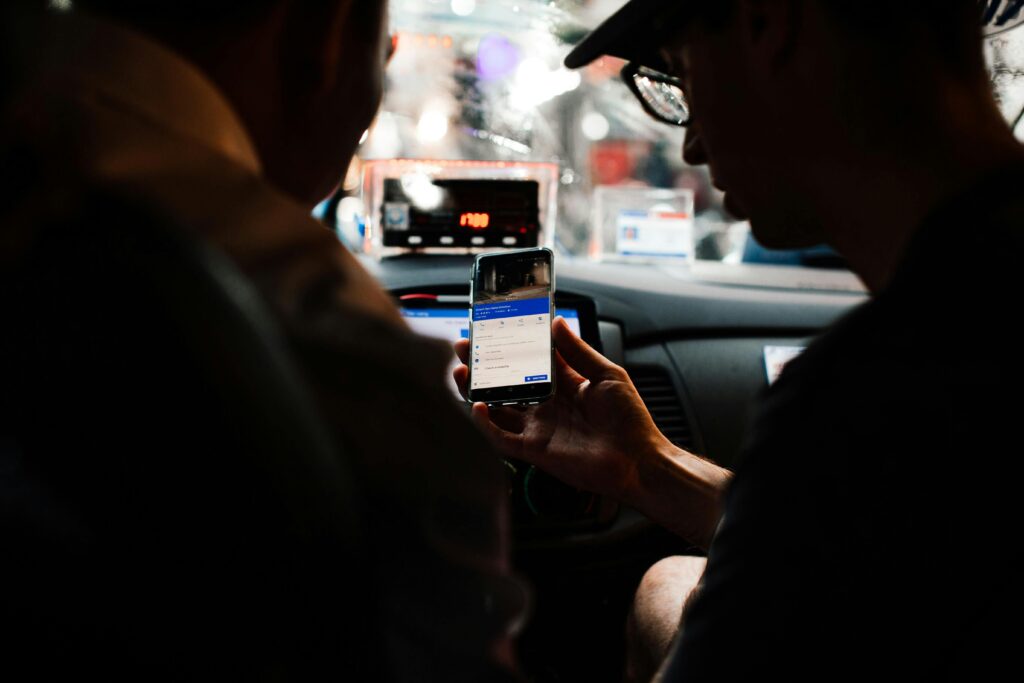
San Diego’s rideshare market has grown rapidly in recent years, and with it, the number of Uber and Lyft drivers who suddenly find themselves navigating legal problems they never expected—from accident claims and complex insurance issues to wrongful deactivation, unpaid wages, and the ongoing debate over contractor versus employee rights. Drivers often don’t realize how vulnerable they are until something goes wrong.
At Credible Law, a San Diego legal referral network that connects residents with skilled attorneys across California, the goal is to give rideshare drivers access to clear, dependable legal guidance. (Internal link recommendation: https://crediblelaw.com/)
Whether you drive full-time, part-time, or somewhere in between, understanding your rights and having the right legal support can make the difference between losing your livelihood and protecting it.
This guide covers everything San Diego rideshare drivers need to know about legal services—including accident representation, deactivation appeals, employment rights, DUI defense, and more—written from the perspective of a seasoned legal and public-safety writer with decades of experience supporting California workers.
Table of Contents
- Why Rideshare Drivers in San Diego Need Legal Protection
- Understanding Insurance Coverage for Uber & Lyft Drivers
- Top Legal Issues Rideshare Drivers Face
- Uber & Lyft Accident Claims in San Diego
- Navigating Rideshare Deactivation Appeals
- Independent Contractor vs. Employee Rights (California & Prop 22)
- DUI, Traffic, and Criminal Defense for Rideshare Drivers
- Workers’ Compensation for Uber/Lyft Drivers in California
- When to Contact a San Diego Rideshare Attorney
- How Credible Law Helps Drivers Find Legal Support
- Frequently Asked Questions (20 Comprehensive Questions)
- Final Thoughts
1. Why Rideshare Drivers in San Diego Need Legal Protection
While Uber and Lyft have changed the transportation landscape, they’ve also created an entirely new set of legal challenges—especially in California, where regulations evolve constantly. San Diego drivers operate under some of the strictest rideshare laws in the country, enforced by the California Public Utilities Commission (CPUC), the agency responsible for regulating Transportation Network Companies.
(Outbound link suggestion: CPUC regulatory site for TNCs)
Drivers often discover gaps in their protection only after something goes wrong:
- An accident occurs and insurance companies argue about coverage
- A passenger files a complaint, and Uber suddenly deactivates the account
- A driver loses income after an app glitch or unfair suspension
- Contractors struggle with taxes, wages, and benefits
- A simple traffic ticket threatens their ability to stay on the platform
Without support, these issues can become overwhelming. Legal advocacy ensures drivers know their rights—and how to protect them.
2. Understanding Insurance Coverage for Uber & Lyft Drivers
The biggest misconception among drivers is assuming Uber or Lyft will automatically cover everything after a crash. In reality, rideshare insurance operates in three distinct periods, each with different coverage limits. One misunderstanding can leave a driver facing thousands in out-of-pocket losses.
To help drivers understand these phases, Credible Law provides a full insurance guide:
👉 (Internal link: https://crediblelaw.com/understanding-rideshare-insurance-coverage-a-comprehensive-guide/)
California TNC Insurance Requirements (CPUC-Mandated)
(Outbound link recommendation: CPUC TNC insurance requirements)
California requires minimum coverage including:
- $50,000 bodily injury (Period 1: app on, no passenger)
- $1 million liability (Period 2 & 3: en route or with passenger)
- Uninsured/Underinsured motorist coverage
- Contingent collision and comprehensive
But even these requirements have gaps. The California Department of Insurance (CDI) warns drivers about coverage limitations:
(Outbound link suggestion: CDI notice to TNC drivers)
These insurance gaps are one of the main reasons drivers contact attorneys after a collision.
3. Top Legal Issues Rideshare Drivers Face
San Diego drivers most commonly seek legal help for:
• Uber/Lyft Accidents
Coverage disputes, injury claims, and compensation for lost wages.
👉 (Internal link: https://crediblelaw.com/free-uber-crash-consultation-california/)
• Account Deactivation
Often sudden and without explanation.
• Contractor vs. Employee Rights (Prop 22)
The debate continues, and misclassification lawsuits are common in California.
(Outbound link: CA DIR ABC Test page)
• Unpaid Wages or Earnings Miscalculations
Drivers frequently report discrepancies.
• DUI or Criminal Charges
Even a minor offense can end a rideshare career.
• Insurance Gaps or Denials
Drivers often need legal help interpreting policy wording.
4. Uber & Lyft Accident Claims in San Diego
Search volume shows that “San Diego Uber/Lyft accident lawyer” is one of the highest-intent queries drivers search for—and for good reason. After an accident, most drivers don’t know where to start.
4.1 What to Do After an Accident
The first questions drivers ask include:
- “Uber driver injured in accident San Diego—what should I do?”
- “Can Uber deactivate me after an accident in San Diego?”
A lawyer can immediately step in to protect the driver’s account, employment status, health, and financial stability.
4.2 Insurance Complications
Disputes often involve:
- The other driver’s insurer blaming the rideshare driver
- Uber saying the driver was “offline”
- Personal insurers denying coverage due to commercial use
- Low settlement offers
Credible Law’s internal guide explains how to recover lost wages after an accident:
👉 (Internal link: https://crediblelaw.com/compensation-for-lost-wages-after-a-rideshare-accident/)
4.3 Compensation You May Be Entitled To
A rideshare accident lawyer may help you pursue:
- Medical bills
- Lost income
- Future earnings
- Car repair costs
- Pain and suffering
- App deactivation losses (unique to rideshare drivers)
5. Navigating Rideshare Deactivation Appeals in San Diego
Deactivation is one of the most devastating experiences for drivers, especially those who rely on Uber/Lyft for primary income.
Drivers search for:
- “How to appeal Uber deactivation in San Diego”
- “Deactivation lawyer for rideshare drivers San Diego”
5.1 Common Reasons for Deactivation
- Customer complaints
- Low ratings
- Accidents
- Background check flags
- Misunderstandings or false reports
5.2 Your Rights
California places limits on unfair labor actions—even for contractors. Drivers often do not realize they have:
- A right to request evidence
- A right to appeal
- A right to legal representation
5.3 When to Hire a Lawyer
If you rely on rideshare income, a wrongful deactivation can qualify as a recoverable economic loss. Lawyers can help challenge the suspension or restore access.
6. Independent Contractor vs. Employee Rights (California & Prop 22)
California has one of the most complex legal frameworks for gig workers.
Two major legal standards determine classification:
6.1 The ABC Test
Defined by the California Department of Industrial Relations (DIR).
(Outbound link: DIR Independent Contractor page)
6.2 Proposition 22
Gave drivers limited benefits but kept them classified as contractors.
6.3 Misclassification Lawsuits
Drivers often ask:
- “Can rideshare drivers sue for misclassification in San Diego?”
- “Unpaid wages lawsuit for San Diego rideshare drivers—do I qualify?”
The California Labor Commissioner actively investigates misclassification.
(Outbound link: CA Labor Commissioner lawsuits against Uber/Lyft)
Rideshare legal specialists help drivers understand pay discrepancies, reimbursement rights, and benefit eligibility.
7. DUI, Traffic, and Criminal Defense for Rideshare Drivers
Rideshare drivers face stricter scrutiny than everyday motorists.
7.1 DUI Consequences
Drivers searching for:
- “DUI defense lawyer for San Diego Uber drivers”
- “San Diego DUI checkpoints rideshare driver defense”
quickly learn that a DUI can:
- Lead to immediate deactivation
- Suspend a driver’s license
- Trigger fines and criminal charges
7.2 Traffic Violations
- Speeding
- Red-light violations
- Unsafe lane changes
Even minor citations can affect rideshare background checks.
7.3 Can You Get Your License Back After a DUI?
Yes—under certain conditions. Legal intervention is often necessary to restore driving privileges and employment opportunities.
8. Workers’ Compensation for Uber/Lyft Drivers in California
One of the most misunderstood areas:
Contractors typically do NOT receive workers’ comp—but Prop 22 provides limited coverage.
A lawyer can determine whether:
- Your injury qualifies
- You’re eligible for supplemental benefits
- The platform is responsible for recovery costs
This is a rapidly evolving area of California law.
9. When to Contact a San Diego Rideshare Attorney
Drivers should seek legal help if they:
- Were injured in an Uber/Lyft accident
- Lost wages due to deactivation
- Were involved in a DUI or traffic incident
- Believe they were misclassified
- Received an unfair rating or accusation
- Have trouble understanding their insurance coverage
Early intervention strengthens the case and prevents income loss.
10. How Credible Law Helps Drivers Find Legal Support
Credible Law connects San Diego residents—including rideshare drivers—with trusted attorneys specializing in:
- Rideshare accident claims
- Labor rights and misclassification
- DUI and traffic defense
- Deactivation appeals
- Insurance disputes
Drivers can get started with a free consultation:
👉 (Internal link: https://crediblelaw.com/free-uber-crash-consultation-california/)
11. Top 20 Frequently Asked Questions (Rideshare Legal FAQ)
Below is the complete, schema-ready FAQ set requested:
Rideshare Accident & Injury Claims
1. What should I do immediately after an accident while driving for Uber or Lyft in San Diego?
Move to safety, call 911, document the scene, screenshot your trip status, and contact a rideshare attorney before giving a statement.
2. How does rideshare insurance coverage change based on my app status?
Coverage depends on whether the app is off, on, or you have accepted a trip.
3. Who is liable for my injuries if the accident was the other driver’s fault?
You can pursue the at-fault driver’s insurer, Uber/Lyft’s policies, or both.
4. Can I sue Uber or Lyft after an accident?
You can sue for negligence or unsafe platform practices in certain cases.
5. What compensation can a San Diego rideshare lawyer help me recover?
Medical bills, lost wages, car repairs, pain and suffering, and more.
6. How long do I have to file a claim?
California’s statute of limitations is typically two years, but varies.
7. What insurance minimums does California require for rideshare drivers?
Coverage varies by period and includes $1 million liability during active rides.
8. Will my personal insurance cover me while driving for Uber or Lyft?
Usually not—most personal policies exclude commercial use.
Account Deactivation & Appeals
9. Can Uber or Lyft deactivate me immediately after an accident?
Yes, but you can challenge the decision.
10. What are the top reasons drivers get permanently deactivated?
Complaints, safety flags, background issues, and low ratings.
11. Do I have legal rights to appeal a deactivation in California?
Yes—especially if the action affects your income or was unfounded.
12. Is hiring a lawyer for deactivation appeals worth it?
Often yes, especially if you rely on driving for income.
13. Can I be deactivated for low ratings?
Yes—ratings below platform thresholds can trigger removal.
Independent Contractor Status & Labor Law
14. Are Uber and Lyft drivers considered employees in California?
Under Prop 22, drivers remain contractors but with limited benefits.
15. Can drivers sue for unpaid wages or misclassification?
Yes. These lawsuits are increasingly common.
16. Are rideshare drivers entitled to workers’ compensation?
Not traditionally, though Prop 22 provides partial protections.
17. Do drivers have rights to breaks or rest periods?
Not under contractor status, but abuses may qualify as misclassification.
DUI, Traffic & Criminal Matters
18. What happens if a rideshare driver gets a DUI in San Diego?
Immediate deactivation, possible license suspension, and criminal charges.
19. Will a traffic ticket affect my ability to drive for Uber or Lyft?
Potentially—violations appear on background checks.
20. Can drivers be required to testify in court about rideshare incidents?
Yes, depending on their involvement or witness status.
12. Final Thoughts
San Diego’s rideshare drivers face legal challenges unlike any other profession. From accidents to unfair deactivation, misclassification disputes to complex insurance gaps, the risks are real—and the consequences can be immediate.
With the right legal support, however, drivers can protect their income, safeguard their accounts, and navigate California’s evolving regulations with confidence.
Credible Law connects drivers with experienced attorneys who understand both the legal landscape and the unique pressures rideshare workers face.
If you’re a rideshare driver needing legal guidance, you’re not alone—and help is available.


