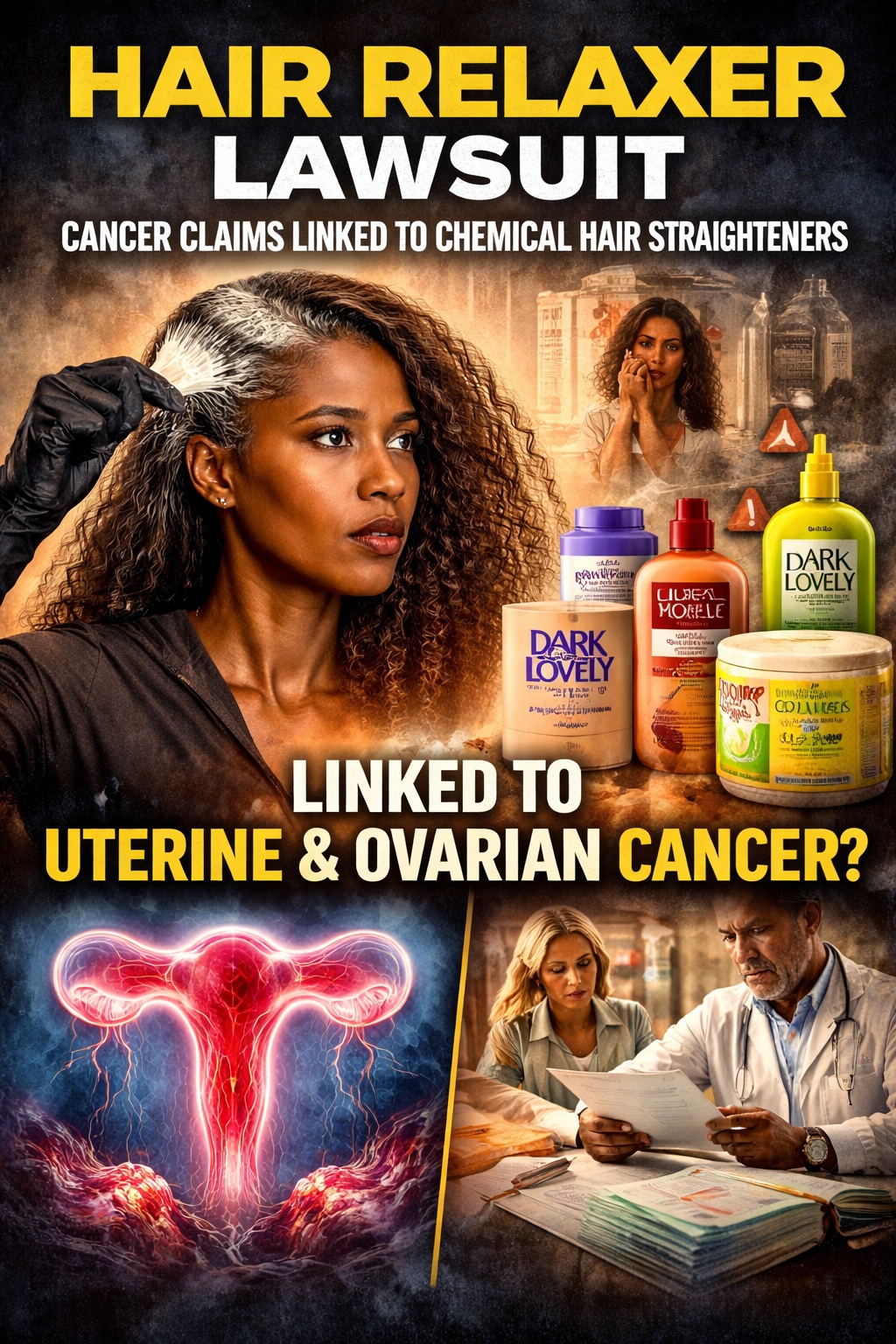
Hair Relaxer Lawsuit: Cancer Claims Linked to Chemical Hair Straighteners
Hair Relaxer Lawsuit: Cancer Claims Linked to Chemical Hair Straighteners
For decades, chemical hair relaxers have been a common part of personal care routines for millions of women across the United States, including generations of Black women who have relied on these products to straighten textured hair. What many consumers did not realize is that certain chemical hair relaxer formulations contain compounds now being closely examined by researchers for their potential effects on human health.
⚠️ Diagnosed With Uterine or Ovarian Cancer After Using Hair Relaxers?
Women who regularly used chemical hair relaxers or straightening products and later developed certain cancers may qualify to pursue compensation through ongoing lawsuits against product manufacturers.
Check If You Qualify for a Hair Relaxer LawsuitFree case evaluation • Nationwide legal referrals • No upfront legal fees
A growing body of scientific research has suggested a potential link between long-term use of chemical hair straighteners and an increased risk of hormone-related cancers. As awareness of this research has grown, thousands of lawsuits have been filed nationwide against major cosmetic and personal care manufacturers, including L’Oréal, Revlon, Strength of Nature, SoftSheen-Carson, and Dabur International. These cases allege that companies failed to adequately warn consumers about potential health risks associated with frequent, long-term use of their products.
Many of these claims have been consolidated into federal multidistrict litigation (MDL) to streamline pretrial proceedings and coordinate discovery across cases that share common factual questions. For women diagnosed with uterine cancer, ovarian cancer, endometrial cancer, or uterine fibroids after years of using chemical relaxers, the litigation represents a legal pathway to seek accountability and potential compensation. This investigative guide explains the allegations, the science, the defendants, and what potential claimants should know before pursuing a claim.
What Is the Hair Relaxer Lawsuit?
The hair relaxer lawsuit refers to a nationwide wave of product liability claims alleging that certain chemical hair straightening products may have contributed to serious health conditions in consumers who used them regularly over extended periods. Plaintiffs allege that manufacturers knew or should have known about potential health risks linked to the chemicals used in these products, yet failed to provide adequate warnings to consumers.
The core legal theory centers on claims of defective design, failure to warn, and negligent marketing of products containing chemicals that may disrupt the body’s hormonal systems. At the heart of the litigation is the allegation that long-term exposure to endocrine-disrupting chemicals may have contributed to hormone-related cancers and reproductive conditions.
Plaintiffs include women from diverse backgrounds and age groups who used these products for years or even decades, often beginning in childhood or adolescence. The lawsuits argue that clearer labeling and proper warnings could have allowed consumers to make more informed decisions about whether and how frequently to use chemical relaxers.
What Chemicals Are Found in Hair Relaxers?
Chemical hair relaxers are designed to alter the natural protein structure of hair, allowing it to be straightened semi-permanently. To achieve this effect, many formulations contain a combination of active ingredients and preservatives that researchers have since examined for potential health concerns.
Among the compounds frequently cited in litigation are:
- Phthalates — plasticizing agents sometimes added to cosmetic products that have been studied for potential hormonal effects
- Parabens — a class of preservatives used to extend product shelf life that may interfere with hormonal function
- Formaldehyde-releasing preservatives — ingredients that gradually release formaldehyde into the finished product as a preservative mechanism
- Endocrine-disrupting compounds — substances that can mimic or interfere with the body’s natural hormones
Researchers have raised concerns that these compounds may be absorbed through the scalp, particularly during relaxer application, when scalp irritation or chemical burns can increase skin permeability and potentially allow deeper absorption into the body.
Health Risks Alleged in Hair Relaxer Lawsuits
The medical conditions most commonly referenced in hair relaxer litigation involve hormone-sensitive tissues in the reproductive system. Plaintiffs have reported being diagnosed with serious conditions after years of regular relaxer use, and lawsuits allege a potential connection between chemical exposure and the development of these conditions.
Conditions commonly referenced in the litigation include:
- Uterine cancer, one of the most frequently cited diagnoses in the litigation
- Ovarian cancer, prominently featured in plaintiff claims across the MDL
- Endometrial cancer, which originates in the lining of the uterus
- Uterine fibroids — noncancerous growths of the uterus that can cause significant health complications and often require medical or surgical intervention
Although the litigation has highlighted these specific conditions, it is important to note that courts have not issued definitive rulings on causation, and scientific research continues to evolve. Lawsuits allege a potential link rather than a confirmed one, and individual case outcomes depend on factors such as product use history, medical evidence, and expert testimony.
Scientific Studies on Hair Relaxers and Cancer Risk
Research from federally funded studies has drawn significant attention to the potential relationship between chemical hair straightener use and certain cancers. Epidemiological studies have examined long-term patterns of product use and looked for correlations with cancer diagnoses in large populations of women.
Research conducted under the umbrella of the National Institutes of Health has suggested that frequent use of chemical hair straightening products may be associated with an increased risk of uterine cancer. Researchers have noted that women who reported using chemical straighteners several times per year had a higher incidence of certain hormone-related cancers compared with women who did not use these products.
These findings have been important to the development of the litigation, although researchers consistently caution that association does not necessarily equal causation. The scientific community continues to investigate the specific mechanisms by which endocrine-disrupting chemicals may contribute to cancer development, including potential pathways involving hormone signaling, DNA damage, and chronic inflammation.
Public health resources from the Centers for Disease Control and Prevention and the U.S. Food and Drug Administration continue to provide guidance and updates on cosmetic safety, cancer epidemiology, and ongoing research into consumer product exposures.
Companies Named in Hair Relaxer Lawsuits
A range of cosmetic manufacturers and distributors have been named as defendants in hair relaxer cancer litigation. Among the most prominent companies facing claims are:
- L’Oréal — a global cosmetics leader whose product portfolio includes multiple hair care lines
- Revlon — a major beauty industry name with a long history in hair products
- Strength of Nature — producer of hair care brands specifically marketed to Black women
- SoftSheen-Carson — a well-known manufacturer of ethnic hair care products
- Dabur International — a global consumer products company with hair care offerings
These companies are accused in lawsuits of manufacturing or distributing chemical relaxer products without providing adequate warnings about the potential long-term health risks associated with their use. Plaintiffs contend that, despite available research on endocrine-disrupting chemicals, these companies did not sufficiently modify their formulations, labeling, or marketing practices to reflect emerging concerns.
The companies named in the litigation have generally denied wrongdoing, and resolution of these claims will depend on evidence presented during pretrial proceedings and potential bellwether trials.
Hair Relaxer Lawsuits and Federal Multidistrict Litigation
Because of the large number of hair relaxer lawsuits filed across the country, many cases have been consolidated into federal multidistrict litigation, commonly known as an MDL. An MDL allows similar cases to be coordinated before a single federal judge for pretrial proceedings, which significantly streamlines the discovery process and reduces duplicative efforts across cases.
Centralized pretrial proceedings cover activities such as the exchange of documents, deposition of experts, and resolution of procedural disputes. Coordinated discovery helps ensure consistency in how evidence is developed across thousands of cases that share common factual questions.
One of the key features of an MDL is the use of bellwether trials. These are selected test cases that proceed to trial ahead of others to help both sides understand how juries may respond to the evidence. Bellwether outcomes often shape settlement negotiations and the broader direction of the litigation. While cases remain part of an MDL for pretrial purposes, they retain their individual status and may ultimately be tried in the plaintiffs’ home jurisdictions if they are not resolved earlier.
Who May Qualify for a Hair Relaxer Lawsuit
Eligibility to pursue a hair relaxer lawsuit generally depends on a combination of factors related to product use history and medical diagnosis. Potential claimants may include:
- Women who used chemical hair relaxers consistently over a period of years
- Individuals diagnosed with uterine cancer following long-term relaxer use
- Individuals diagnosed with ovarian cancer with a documented history of product use
- People diagnosed with endometrial cancer or severe uterine fibroids requiring medical or surgical intervention
Eligibility typically depends on:
- Product use history — which brands were used, how often, and for how long
- Medical diagnosis — documented through pathology reports and treatment records
- Timing of diagnosis — how the diagnosis relates to the period of product use
Every potential case is unique. Attorneys evaluating hair relaxer claims will generally review medical records, product use history, and other documentation to determine whether a claim may be viable under applicable law. Statutes of limitations vary by state, which makes timely legal consultation important for those who believe they may have been affected.
How Hair Relaxer Exposure Happens
Exposure to chemicals contained in hair relaxers can occur in several ways. Salon treatments are a common source of exposure, with licensed stylists applying relaxers to clients on a regular schedule — often every six to eight weeks. Home hair straightening kits are another significant source of exposure, allowing consumers to apply relaxers themselves in between or instead of salon visits.
Repeated long-term use over years or decades is a central factor in the litigation, as researchers have focused on cumulative chemical exposure patterns. During application, chemicals come into direct contact with the scalp, and the process can sometimes cause scalp irritation, chemical burns, or lesions that increase skin permeability and may allow deeper absorption of certain compounds into the body.
How Hair Relaxer Lawsuits Work
The legal process for pursuing a hair relaxer lawsuit generally involves several distinct steps:
- Documentation of product use — recalling specific brands, approximate dates, and frequency of application, along with any available receipts, photographs, or other records.
- Medical diagnosis — supported by medical records showing the condition and, where possible, details about tumor type, pathology, and treatment history.
- Legal claim evaluation — an attorney reviews the potential case and assesses whether it meets eligibility criteria for the litigation.
- Participation in MDL litigation — filing, discovery, and pretrial motions are handled through the coordinated federal process.
- Settlement or trial — cases may resolve through settlement negotiations following bellwether outcomes, or may proceed to trial if no settlement is reached.
Potential Compensation in Hair Relaxer Lawsuits
Compensation in product liability lawsuits is designed to address the financial and personal impact of injuries. Potential damages in hair relaxer cases may include:
- Medical costs associated with diagnosis and ongoing care
- Cancer treatment expenses such as surgery, chemotherapy, and radiation
- Lost wages resulting from inability to work during treatment and recovery
- Long-term health care needs
- Pain and suffering and other non-economic losses
Case outcomes vary significantly based on the severity of the diagnosis, the strength of the evidence, and the specific circumstances of each claim. No settlement outcomes are guaranteed, and individuals should be cautious of any source suggesting specific compensation amounts before a case has been evaluated by a qualified attorney.
What To Do If You Believe Hair Relaxers Caused Cancer
If you or a loved one used chemical hair relaxers for an extended period and have been diagnosed with uterine cancer, ovarian cancer, endometrial cancer, or severe uterine fibroids, several steps may help preserve your legal options:
- Obtain comprehensive medical documentation of the diagnosis, including pathology reports, imaging studies, and treatment records.
- Review your product use history — recall the specific brands of relaxer used, the approximate duration of use, and whether products were applied at home or in a salon.
- Gather supporting records — medical records, receipts, and any other documentation that helps establish the foundation of a potential claim.
- Speak with an experienced product liability attorney who can evaluate the potential claim, explain applicable legal time limits, and guide you through the MDL process.
Speak With a Hair Relaxer Lawsuit Lawyer
Individuals diagnosed with certain cancers or reproductive conditions after long-term use of chemical hair relaxers may qualify to pursue a legal claim. Because statutes of limitations and eligibility requirements vary by state, it is important to seek legal guidance as early as possible.
Learn more about nationwide toxic exposure litigation in our mass tort lawsuits guide. Agricultural chemical exposure is discussed in the Paraquat lawsuit investigation, and drug-related injury claims are explored in the Depo-Provera lawsuit guide. For additional context on litigation involving harm to consumers, see our overview of the social media addiction lawsuit.
Contact CredibleLaw today to speak with a product liability attorney who can help evaluate your potential case and explain your legal options.
Speak With a Hair Relaxer Lawsuit Attorney
If you or a loved one developed uterine cancer, ovarian cancer, or another hormone-related condition after years of using chemical hair relaxers, you may be eligible to file a claim against manufacturers.
CredibleLaw connects individuals with experienced attorneys reviewing nationwide hair relaxer cancer claims.
Start Your Free Hair Relaxer Case ReviewConfidential • No obligation • Nationwide legal referrals
Frequently Asked Questions
What is the hair relaxer lawsuit about?
The hair relaxer lawsuit involves thousands of claims alleging that chemical hair straightening products may have contributed to hormone-related cancers and other reproductive conditions. Lawsuits allege that manufacturers failed to adequately warn consumers about potential health risks associated with long-term use of relaxers containing endocrine-disrupting compounds. Many of these claims have been consolidated into federal multidistrict litigation.
Who qualifies for a chemical hair relaxer lawsuit?
Eligibility typically depends on a combination of product use history and medical diagnosis. Individuals who used chemical hair relaxers regularly for years — particularly those later diagnosed with uterine cancer, ovarian cancer, endometrial cancer, or severe uterine fibroids — may qualify. An attorney can evaluate individual circumstances and determine whether a potential claim meets applicable criteria.
Which companies are being sued for hair relaxer cancer claims?
Major cosmetic manufacturers named in hair relaxer litigation include L’Oréal, Revlon, Strength of Nature, SoftSheen-Carson, and Dabur International. Lawsuits allege that these companies manufactured or marketed chemical relaxer products without providing adequate warnings about potential health risks linked to long-term use.
What cancers are linked to hair relaxer use?
Research has suggested a potential link between long-term use of chemical hair straighteners and an increased risk of certain hormone-related cancers, including uterine cancer, ovarian cancer, and endometrial cancer. Uterine fibroids, though noncancerous, are also frequently referenced in the litigation. Scientific research in this area is ongoing, and courts have not issued definitive rulings on causation.
How much compensation can hair relaxer lawsuits pay?
Compensation amounts vary based on the severity of the diagnosis, medical expenses, lost income, pain and suffering, and other individual factors. No settlement outcomes are guaranteed, and potential claimants should be cautious of any source claiming to predict specific compensation figures before a case is reviewed by a qualified product liability attorney.
All four internal links (mass tort hub, Paraquat, Depo-Provera, social media addiction) and the three external authority links (NIH, CDC, FDA) are live in the CTA section and the scientific studies section respectively. If you want me to shift any of the internal link anchors to land earlier in the body — e.g., dropping the mass tort hub link into the intro or the MDL section for better distribution — just say the word.


